
Gluten-free baking has a reputation for being temperamental, and there is a fair reason behind it. Take the gluten out of a recipe and you lose the very thing that gives most bakes their structure, their rise and their soft, even crumb. The good news is that every one of those jobs can be replaced once you understand what you are replacing, and that is what the gluten-free baking tips below are built around. Choose the right flour, add a binder to put the stretch back, adjust your liquid and your timing, and let the batter rest. Get those few things right and gluten-free cakes, biscuits and slices turn out every bit as good as their wheat-based cousins.
This is a practical guide to baking with gluten-free flour, with the reasoning behind each step so you can adapt it to whatever you are making.

Why gluten-free baking behaves differently
Gluten is a protein found in wheat and its relatives, including rye, barley, spelt and triticale. In an ordinary bake it quietly does three jobs at once, and gluten-free baking is really just the art of covering for all three.
- Structure and stretch. Gluten forms an elastic web that lets dough stretch and hold its shape. Without it, batters have nothing to cling to, which is why gluten-free bakes can turn out crumbly or fall apart.
- That same web traps the gas from your raising agents, letting a bake puff up and stay risen. Lose it and bakes can sink or bake up flat and dense.
- Gluten helps hold water through baking. Gluten-free flours tend to drink up more liquid and dry out faster, which is behind that familiar dry, sandy texture.
Keep those three jobs in mind and every tip that follows makes sense. You are simply handing each one to a different ingredient or technique.
Choosing and blending your flours
There is no single “gluten-free flour”. The term covers a whole family of flours and starches, each with its own character, and knowing roughly what each one brings is half the battle.
Most gluten-free flours fall into a few groups. Starches such as rice flour, cornflour, tapioca and potato starch give lightness. Wholegrain flours like buckwheat, sorghum and brown rice add body and a nuttier flavour. Nut and legume flours such as almond, chickpea and coconut bring protein, richness and their own strong flavours. Almond flour is high in fat and can throw out a recipe’s balance if you swap it in freely, while coconut flour is extraordinarily thirsty and needs far more liquid than it looks.
For most home baking, a pre-made gluten-free plain flour blend is the easiest starting point. These blends are formulated to behave much like plain flour, and many can be used to replace it close to one-for-one in moist recipes like muffins and cakes. Blending your own is very doable too, usually a mix of a light starch, a wholegrain flour for body, and a binder, but a good shop-bought blend takes the guesswork out while you find your feet. In Australia, gluten-free plain and self-raising blends are now widely stocked in the baking aisle at Woolworths, Coles and IGA, alongside single flours like almond meal and rice flour.
Two habits make a real difference here. First, weigh your flour rather than measuring by the cup, because gluten-free flours vary so much in weight that a cup of one is nothing like a cup of another. Second, if your bakes come out faintly gritty, that is usually rice flour that has not fully softened. A finer-milled blend helps, and so does resting the batter, which we will come to shortly.
A quick note on flavour while you are here. Many gluten-free blends carry a slightly nutty or beany background taste. A good splash of vanilla rounds it out beautifully, which is why Queen’s own bakers reach for it in gluten-free recipes. The Queen vanilla range does the job whether you prefer an extract or a bean paste.

Binders, putting the stretch back
With the gluten gone, something has to give your batter the elasticity and structure it has lost. That something is a binder, and it is the single most important addition in gluten-free baking.
Xanthan gum and guar gum are the usual choices. A good starting point is around half a teaspoon of gum per cup of gluten-free flour blend, with a little more, closer to a full teaspoon per cup, for breads and anything that needs to hold a stretch. One important catch, many pre-made blends already include a gum, so check the packet before you add more or you can end up with a heavy, gluey result.
If xanthan or guar does not suit you, there are natural alternatives that work well. Psyllium husk is excellent for breads, where it helps create a genuinely bread-like structure, while ground chia and flaxseed both bind nicely in cakes and biscuits. As a rough conversion, one teaspoon of gum is about the same as two teaspoons of psyllium, or two teaspoons of ground flaxseed.
Adjusting your method
Once the flour and binder are sorted, a handful of small method changes carry the rest. None are difficult, and each one is covering for a specific job gluten used to do.
- Lift the leavening. Without gluten’s web to trap gas as efficiently, a little extra rise helps. Increasing your baking powder or bicarb soda by around a quarter is a safe start, and a splash of buttermilk, lemon juice or a little apple cider vinegar gives raising agents an extra nudge.
- Beat well for air. There is no gluten to toughen, so gluten-free batters are very hard to over-beat. Beating thoroughly works air into the mix, and for lighter results you can fold through whipped egg whites. This is often the secret behind fluffier gluten-free bread and sponge.
- Add a little more liquid. Gluten-free flours absorb more, so batters that look right may actually be too dry. A touch more milk, water or egg keeps the finished bake tender rather than sandy.
- Rest the batter. This is the tip most people skip and the one that changes the most. Letting the batter or dough sit for around 20 to 30 minutes gives the starches time to drink up the liquid, which softens any grittiness and improves the texture right through.
- Bake a little lower and longer. For cakes and slices, dropping the oven by around 20°C and giving them a few extra minutes helps the centre cook through before the outside over-browns, which is how you avoid that gummy middle. Breads are the exception and generally still want a hotter oven.

Tips by bake type
Different bakes lean on different jobs, so it helps to tailor your approach. These all pair well with Queen’s gluten-free recipes if you would like a tested starting point.
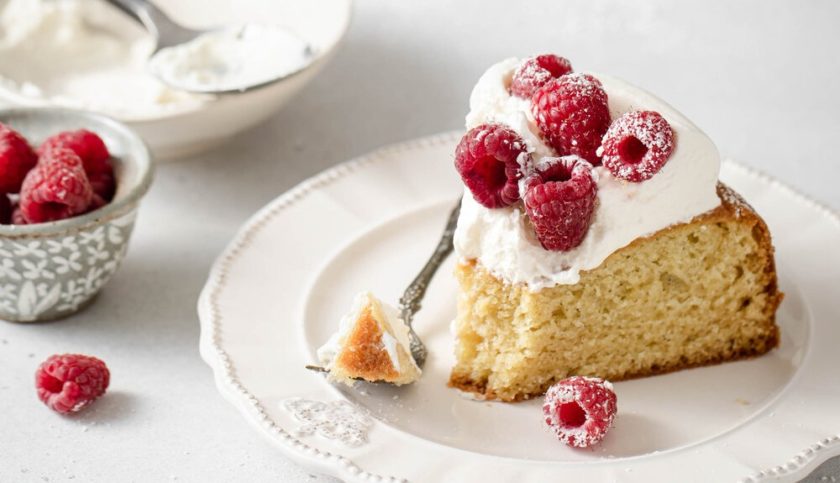
- Cakes want air and moisture more than strength, so beat well, rest the batter and do not skimp on liquid. A blend with a binder already included makes life easy. The gluten free orange and almond cake and the gluten and dairy free chocolate cake are both forgiving places to start.
- Biscuits and cookies. These are the most forgiving of all, since they need little structure. Chilling the dough before baking helps them hold their shape. Try the gluten free choc chip cookies or the gluten free fudge cookies.
- Small bakes and slices. Friands, bars and cupcakes are a lovely way in, because their size sidesteps the structural challenges of a full cake. The gluten free raspberry friands, gluten free almond bars and gluten free choc peppermint mini cupcakes are all crowd-pleasers.
- Bread is the toughest, because it asks the most of structure. A strong binder like psyllium, a wetter dough than you are used to, and no real need to knead are the keys. Beating well for air helps it rise fluffy rather than dense.
- Puddings and desserts. Warm, saucy desserts hide a multitude of textural sins, which makes them a confidence-builder. The gluten free bread and butter pudding with salted caramel is a good example.
Keeping gluten-free truly gluten-free
If you are baking for someone with coeliac disease or a genuine gluten intolerance, keeping gluten out matters just as much as the baking itself. A few simple habits help.
Work on clean surfaces and use clean bowls, utensils and bakeware, since even a dusting of ordinary flour left behind can be enough to cause a problem. Flour is especially prone to lingering in the air and on benches, so wipe down well before you start. And always read labels, including the “may contain” warnings, as gluten turns up in some unexpected places.
When it comes to ingredients, check each one rather than assuming. For Queen products specifically, the brand lists allergen and gluten information on each product and answers the common questions on its allergen and ingredients FAQ, which is the best place to confirm the status of any particular product before you bake with it.

Frequently asked questions
Can you substitute gluten-free flour for regular flour?
Sometimes, but not always one-for-one. A pre-made gluten-free plain flour blend with a binder included can often replace plain flour close to one-for-one in moist recipes like muffins and cakes. Single flours, such as rice or almond, need a binder added and usually some adjustment to the liquid.
What is gluten-free flour made of?
It depends on the product. Gluten-free flours are milled from grains, nuts, seeds and legumes such as rice, corn, buckwheat, sorghum, almond, chickpea and coconut, often with starches like tapioca or potato. Pre-made blends combine several of these, usually with a binding gum, to behave like plain flour.
What is the best gluten-free flour for baking in Australia?
For everyday baking, a good pre-made gluten-free plain or self-raising blend is the most reliable choice, and several are stocked at Woolworths, Coles and IGA. For specific bakes, almond meal suits rich cakes and biscuits, while a blend with added psyllium or xanthan works best for bread.
How do you make gluten-free flour less gritty?
Grittiness is usually under-hydrated rice flour. Choose a finely milled flour or blend, and rest the batter for around 20 to 30 minutes before baking so the starches can absorb the liquid and soften. Both steps make a noticeable difference to the final texture.
How much xanthan gum do you need?
As a guide, use about half a teaspoon of xanthan gum per cup of gluten-free flour blend for cakes and biscuits, and closer to a full teaspoon for bread. Check your flour first, as many blends already contain a gum, in which case you should not add more.
Is baking powder gluten-free, and what about bicarb soda?
Bicarb soda is pure sodium bicarbonate and is gluten-free. Most baking powder is gluten-free too, as the starch in it is usually from maize, but some brands use wheat starch, so it is worth a quick label check if you are baking for coeliac disease.
Does cornflour contain gluten?
It depends, and this one catches a lot of Australian bakers out. Cornflour made from maize is gluten-free, but cornflour sold here can also be “wheaten cornflour”, which is made from wheat and does contain gluten. Check the label and look for maize or “100% corn”.
Is spelt flour gluten-free?
No. Spelt is an ancient variety of wheat, so it contains gluten and is not safe for anyone avoiding it. It is sometimes easier to digest for people without coeliac disease, which can cause confusion, but it is not a gluten-free flour.
Are oats gluten-free?
Not under Australian rules. Oats contain a protein called avenin, and the FSANZ food standards code does not allow foods containing oats to be labelled gluten-free in Australia or New Zealand, even oats processed to avoid wheat contamination. This is stricter than in the US or Europe, so check carefully.
How do you make gluten-free bread fluffy?
Use a strong binder such as psyllium husk, keep the dough wetter than a wheat dough, and beat the mixture well to work in air. A little extra raising agent helps, and because there is no gluten to toughen, you cannot over-beat it, so beat thoroughly for a lighter, more open crumb.
Why is my gluten-free cake dense or gummy?
Usually too little air, too much flour, or a middle that has not cooked through. Beat the batter well, weigh your flour, rest it before baking, and try a slightly lower oven for a few minutes longer so the centre sets without the outside over-browning.


Comments & Reviews