
Swap the butter in a cake for oil and it does not just survive the change, it often comes out better for it. Oil-based cakes are famously soft, moist and slow to go stale, which is exactly why carrot cake, banana bread and mud cake almost always call for it. The swap is simple once you know the one thing that separates the two fats, and roughly three-quarters as much oil, about 75g for every 100g of butter, does the job. There is a little more to it for lightness and flavour, but for most everyday cakes and muffins, baking with oil instead of butter is an easy win. Here is when to reach for it, how to make the change, and which oil to choose.

The one difference that explains everything
Butter and oil are not quite the same ingredient doing the same job. Butter is mostly fat, though a fair share of its weight is water and milk solids, and when you cream it with sugar it traps thousands of tiny air pockets that help a cake rise light. Oil is pure fat and stays liquid, so it adds no air at all, but it coats the flour more thoroughly and brings no water that needs to bake off.
That single difference is behind everything else. It is why oil cakes turn out moister and stay fresh longer, why they rise a little less than a creamed butter cake, and why you use slightly less oil than butter in a swap. Keep it in mind and the rest of this guide more or less writes itself.
When oil is the better choice
Oil shines wherever you want a moist, tender crumb that lasts, which usually means the richer, heavier bakes rather than the light and airy ones. Reach for it in cakes like these:
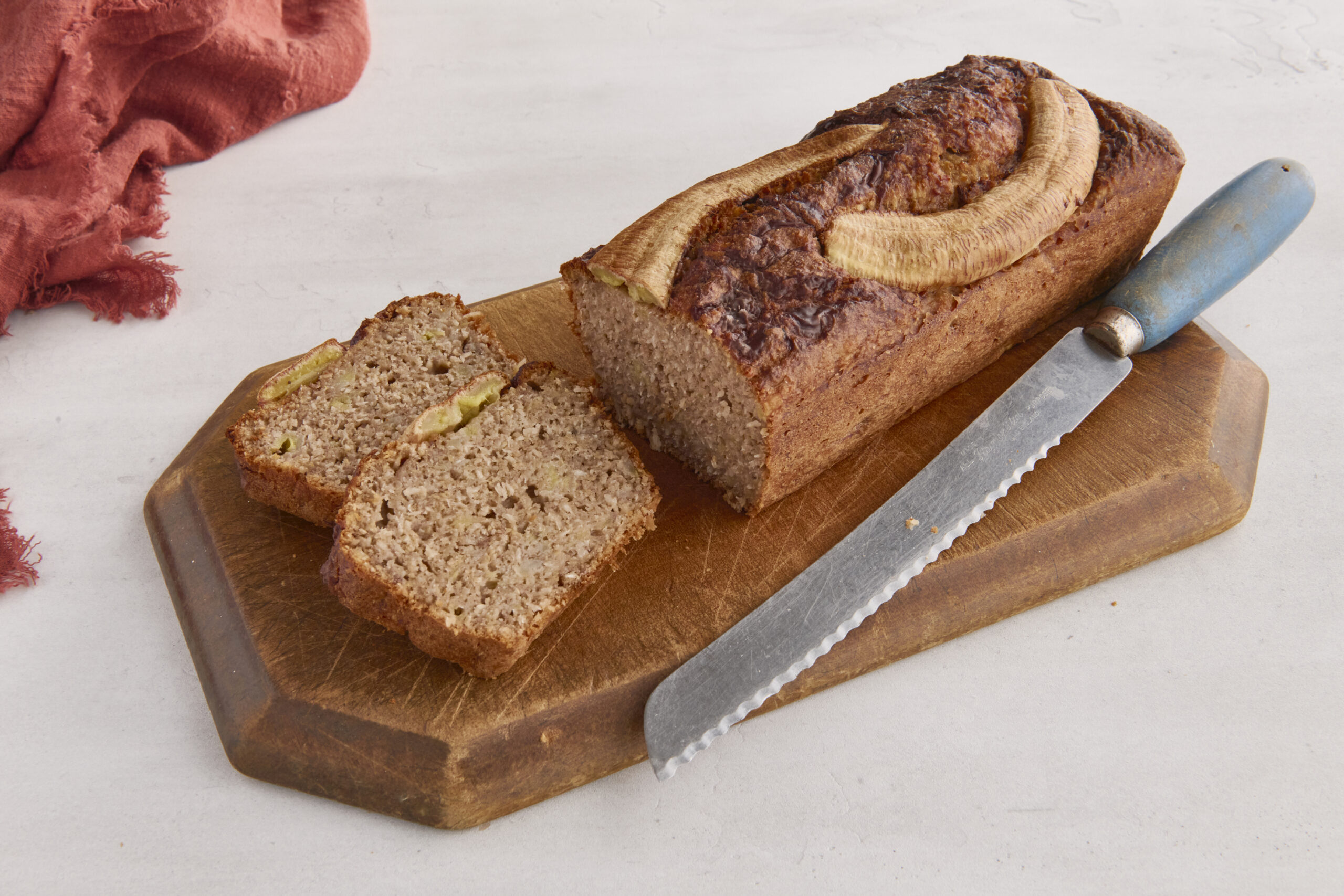
- Carrot cake, banana bread and zucchini cake, where the moisture needs to last for days
- Mud cakes and chocolate cakes, which stay dense, fudgy and moist
- Nut cakes and most loaf cakes
- Everyday muffins, which come together quickly without any creaming
These are forgiving, generous bakes, and oil is what keeps them soft well after a butter cake would have dried out.
When to stay with butter
Butter still wins where air and flavour lead, so any bake that leans on a light, risen structure built by creaming or whipping is better off with it. Keep the butter for bakes like these:
- Sponge cakes and sponge rolls, where the lift comes from creamed butter and whipped eggs
- Delicate layer cakes that need to hold a neat, stackable shape
- Buttery bakes like shortbread, where the flavour of the butter is the whole point
If a recipe makes a feature of being light and airy, or of tasting of butter, that is your cue to keep it.
How to make the swap
As a rule of thumb, use about three-quarters as much oil as butter, so roughly 75g of oil in place of every 100g of butter, since some of butter’s weight is water and milk solids rather than fat. The batter will come together a little differently, moister but slightly less airy, since there is no creaming to fold in air.
Two moves cover the gap when you want a little more lift. Whipping your eggs, or folding through whipped egg whites, adds back some of the air you lose. Or use both fats together, melting or softening the butter first and then stirring in the oil, which gives you the moisture of oil and some of the lift and flavour of butter in one batter. It is a genuinely good trick for cakes you want moist but still light.

Choosing the right oil
The oil you pick shapes the flavour as much as the texture, so match it to the bake.
For most cakes, a neutral oil like sunflower, canola or a light vegetable oil is ideal, because it keeps the crumb moist without leaving any taste of its own. When you want the oil to add character, mild olive oil, coconut oil or a nut oil such as almond all bring their own flavour, though coconut oil sets solid at room temperature and needs gentle warming so it blends in smoothly rather than seizing into lumps.
One thing worth watching with delicate bakes. For a cake whose flavour is the star, a vanilla or a lemon cake, choose a neutral oil so nothing competes, and let a good vanilla carry the flavour instead. Queen’s own classic carrot cake is a lovely example of the balance, built on sunflower oil for moisture with vanilla bean paste doing the flavour work.
Getting the bake right
Because oil cakes hold more moisture, they can take a little longer in the oven, and the centre is the slowest part to set, so test it with a skewer before you pull the cake out rather than trusting the clock. The payoff comes later too, since oil-based cakes freeze beautifully. Cool the cake completely, wrap it well, and the moisture the oil locked in keeps it tasting fresh after thawing overnight in the fridge.
If you would like a few moist, oil-friendly bakes to try the approach on, Queen’s caramel mud cake and basic muffin recipe are both easy places to start.

Frequently asked questions
Can you use oil instead of butter in baking?
Yes, and in most cakes and muffins you can swap it fully with great results. Oil suits moist, tender bakes like carrot, banana and chocolate cakes especially well. The main exceptions are light bakes such as sponges, where the airy structure depends on creamed butter and whipped eggs.
How much oil do you use to replace butter?
Use about three-quarters as much oil as butter, roughly 75g for every 100g. You use less because some of butter’s weight is water and milk solids rather than pure fat, while oil is all fat. The batter will be moister but slightly less airy, which whipped eggs can help offset.
Which oil is best for baking?
For most cakes, a neutral oil like sunflower, canola or light vegetable oil is best, since it adds moisture without any flavour of its own. Mild olive oil, coconut oil or nut oils add character where you want it, though coconut oil needs warming first, as it sets solid at room temperature.
Which cakes work best with oil?
Moist, rich cakes are oil’s natural home, carrot cake, banana bread, zucchini cake, mud cakes, chocolate cakes, nut cakes and most loaf cakes and muffins. These all benefit from the lasting moisture oil provides. Light sponges and delicate layer cakes are better made with butter.
Can you use oil and butter together?
Yes, and it is a great way to get the best of both. Soften or melt the butter first, then stir in the oil so the batter stays smooth. You end up with the moisture and keeping quality of oil alongside some of the lift and flavour butter brings, which suits many everyday cakes.
Does baking with oil change the flavour?
It depends on the oil. Neutral oils like sunflower and canola have little effect on flavour, so the other ingredients shine through. Oils such as olive, coconut or nut oils add a distinct taste of their own, which can be lovely in the right bake but is worth avoiding in delicate vanilla or lemon cakes.
Does oil change the baking time?
A little. Because oil cakes hold more moisture, they can need slightly longer in the oven, and the centre sets more slowly than the edges. Always check the middle with a skewer before taking the cake out, rather than relying on the stated time alone.
Why is my oil-based cake dense or heavy?
Usually too much oil, or not enough raising agent. Oil adds no air of its own, so the rise depends entirely on your baking powder or bicarb and your eggs. Stick to the recipe’s oil quantity, check your raising agent is fresh, and whip the eggs well for a lighter crumb.
Why did my oil cake sink in the middle?
Most often there was too much oil and liquid for the flour and raising agent to support, or the cake came out before the centre had set. Measure the oil carefully, and always test the middle with a skewer so it is fully baked through before you take it out of the oven.
Can you freeze cakes made with oil?
Yes, oil-based cakes freeze very well, better than many butter cakes. Let the cake cool completely, wrap it tightly, and freeze. The moisture the oil holds in helps it stay soft and fresh, so it tastes freshly baked once thawed overnight in the fridge.


Comments & Reviews